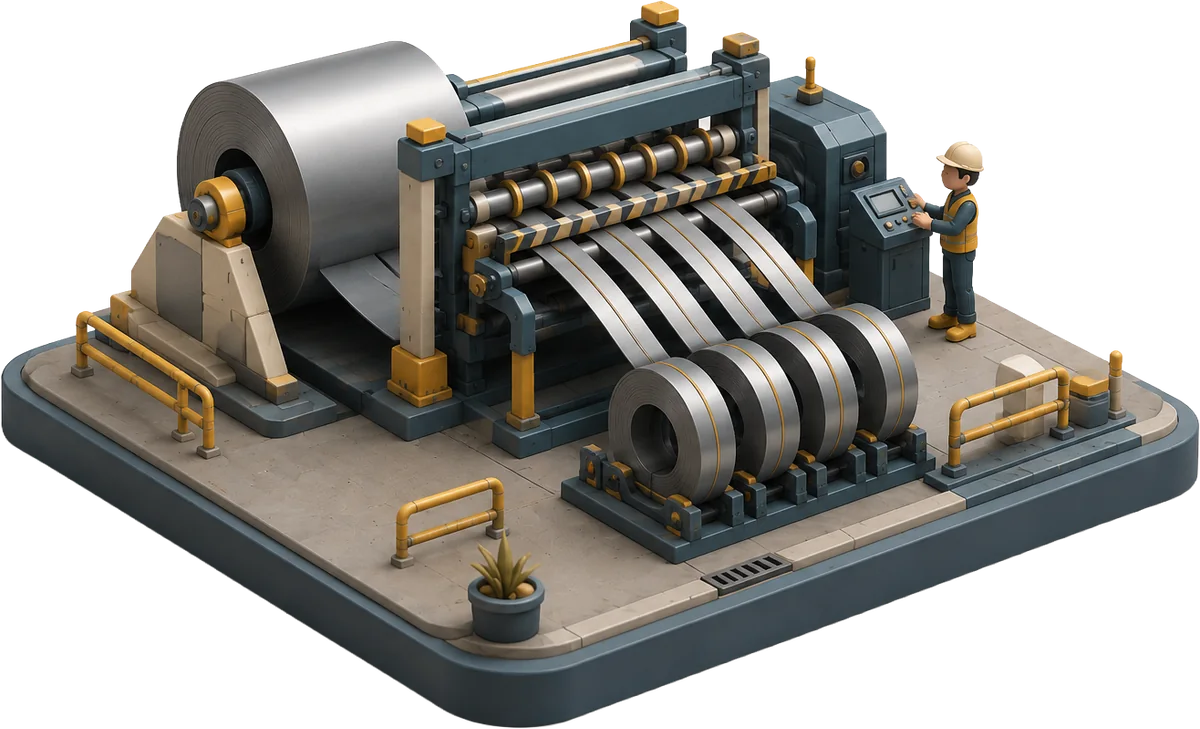
Material in. Material out. Nothing lost in between.
Work orders take in tracked material, run it through your operations, and release finished material back to stock. Every piece carries its history and what it cost to make.
Production tracking shouldn't require a second shift
The floor knows what happened, but your system finds out days later.
Job tickets get scribbled on, lost, or keyed in after the fact. You reconstruct what happened instead of capturing it as it happens.
A customer asks when their order ships. Sales walks the floor or makes three calls, because the answer isn't anywhere they can see.
Material goes in and finished pieces come out. What got trimmed, reworked, or scrapped, and what the job truly cost, shows up at month-end, if at all.
The minute material leaves your yard for outside processing, it drops off your board. You track it by phone and email until it comes back.
This is what Fion fixes, from material in to material out.
Every job, live on the board.
A work order carries its tasks, its work center, and its progress, so the floor and the front office read the same board. Templates cover the jobs you run every week, and production jobs coordinate the work orders that belong together.
- Tasks with live progress on every work order
- Work centers for slitting, cutting, threading, coating
- Production jobs coordinate related work orders
Tracked in, tracked out.
A work order consumes the exact pieces you stage into it. The output carries their cost plus the processing it took, and Atlas AI can audit the work order for errors or anomalies before it closes.
- Inputs staged piece by piece, outputs released to stock
- Cost carries from input to output automatically
- Atlas audits the work order for missing costs
The finished piece carries every dollar it took to make it.
Outside processing, on the job.
Send material out for processing without losing sight of it. The vendor service lives on the work order with its rate and performed work, and its cost is allocated to the material it touched. The charge also lands in that vendor's voucher queue, already expected.
- Vendor services on the work order, with rates and performed work
- Service cost allocated to the pieces it touched
- The charge lands in the vendor's voucher queue, expected
From heat to shipment, one unbroken chain.
Every piece keeps its whole story: the mill heat and cert it came from, the receipt that brought it in, the work orders that shaped it, and the shipment that sent it out. Customer-supplied material runs on the same rails, tracked separately and worked through production requests.
- Piece-level genealogy from heat to finished product
- MTRs linked from receipt through processing
- Customer material worked through production requests
Production with Fion vs. without
- Jobs tracked on paper, keyed in later
- Checking status means walking the floor
- Yield and scrap counted at month-end
- Outside processing tracked by phone
- Job cost known weeks later
- Work orders with live task progress
- One board for the floor and the front office
- Inputs and outputs tracked piece by piece
- Vendor services costed on the job
- The finished piece carries its full cost
Common questions about production in Fion
How do work orders track material?
You stage the exact pieces into the work order, and the output released back to stock carries their cost plus the processing it took, with the heat and cert chain intact.
What about outside processing?
The vendor service lives on the work order with its rate and performed work. Its cost is allocated to the material it touched, and the charge lands in that vendor's voucher queue, already expected.
Can multiple work orders be coordinated?
Yes. A production job coordinates the work orders that belong together, so a multi-step run reads as one piece of work.
What does Atlas do on the floor?
Atlas can audit any work order for errors or anomalies, like missing costs, before it closes, so the finished piece never leaves with an incomplete story.
Does Fion schedule machines or connect to PLCs?
No. Fion runs work orders, work centers, tasks, and progress. You run the floor.
See your shop on one board
Walk through work orders, vendor services, and traceability with the operations your shop runs.